
Regenerating the Land: How Biochar is Helping Togo Farmers Grow More Sustainably
May has been a busy month for Deki’s regenerative farming project. Biochar production and distribution has been full steam ahead.
Biochar is a simple practical method of improving soil health and crop yields. It is created by heating agricultural waste in a low‑oxygen kiln, a process that transforms organic material into a stable, carbon‑rich soil enhancer. When added to the soil, biochar works much like a sponge, holding onto water and nutrients and releasing them slowly so crops can absorb what they need more effectively. When combined with organic compost tea, biochar helps create rich, living soil, reducing the need for chemical inputs while also locking carbon safely into the ground.
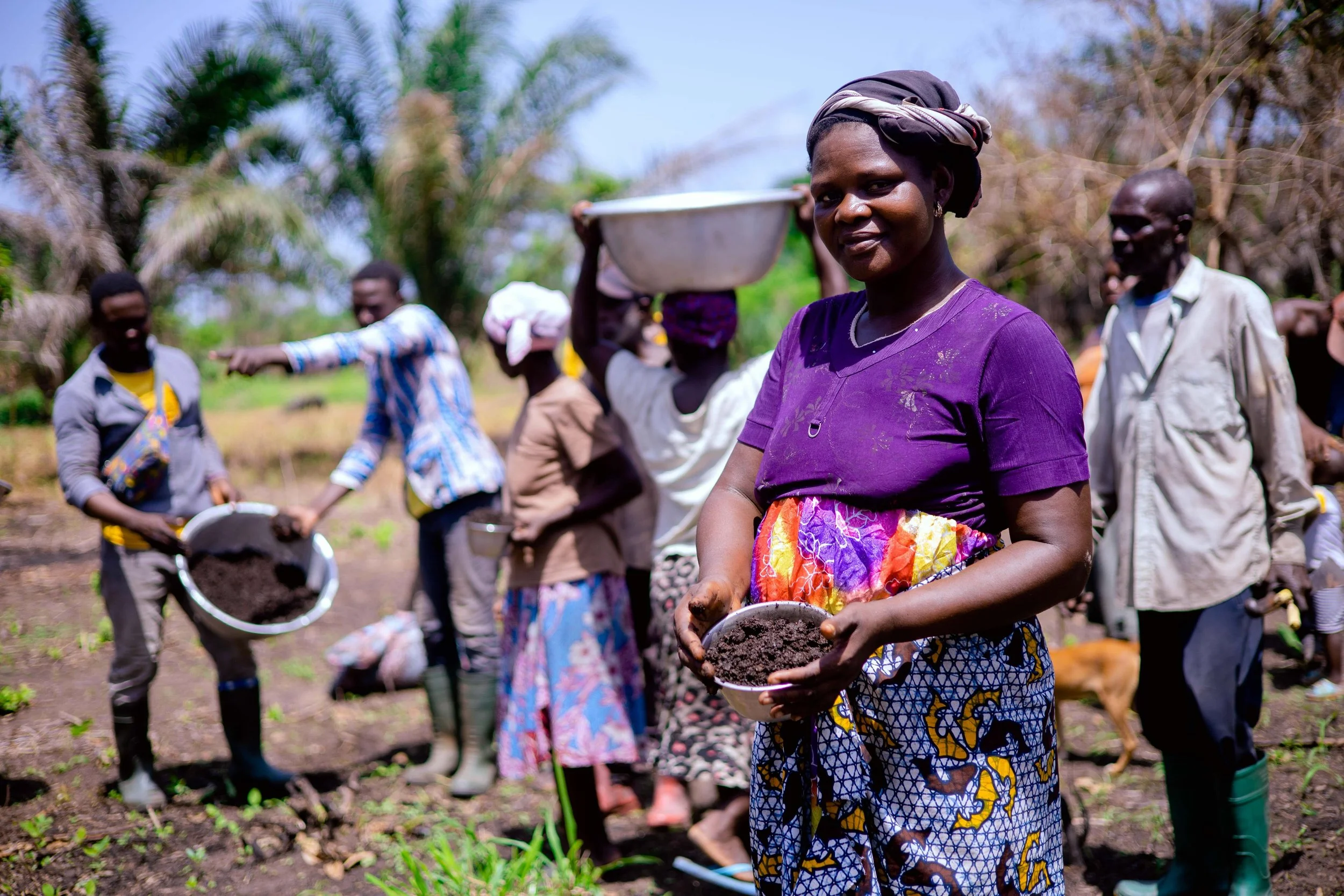
This is what Deki’s biochar looks like after it has been mixed with compost tea.
At our cookstove workshop in Kévé, the Togo team produces biochar as part of their day‑to‑day operations and distributes it directly to local farmers. This is paired with hands‑on training and ongoing support from Justin, our local agricultural technician, who works closely with farmers within the cooperatives. Together, this practical approach ensures biochar is used effectively and supports farmers to reduce their reliance on chemical fertilisers.
Scaling Up and Measuring Impact
This year, we’ve expanded our biochar production, ensuring supplies are ready for the current sowing season. The team has been busy distributing biochar to farmers and carrying out baseline surveys to measure its impact on soil regeneration and crop yields.
Each participating farmer is trialling two plots: one using biochar and one without. This side‑by‑side comparison allows us to directly assess the benefits. Crop yields will be measured, and farmers will also share their own experiences and observations throughout the growing season.
We’re currently working with five cooperatives, reaching around 100 smallholder farmers. Every farmer receives training and ongoing support on land preparation and how to incorporate biochar mixed with compost tea into their existing soil. Our aim is to significantly reduce and ultimately eliminate the use of chemical fertilisers, which can damage soil health over the long term.
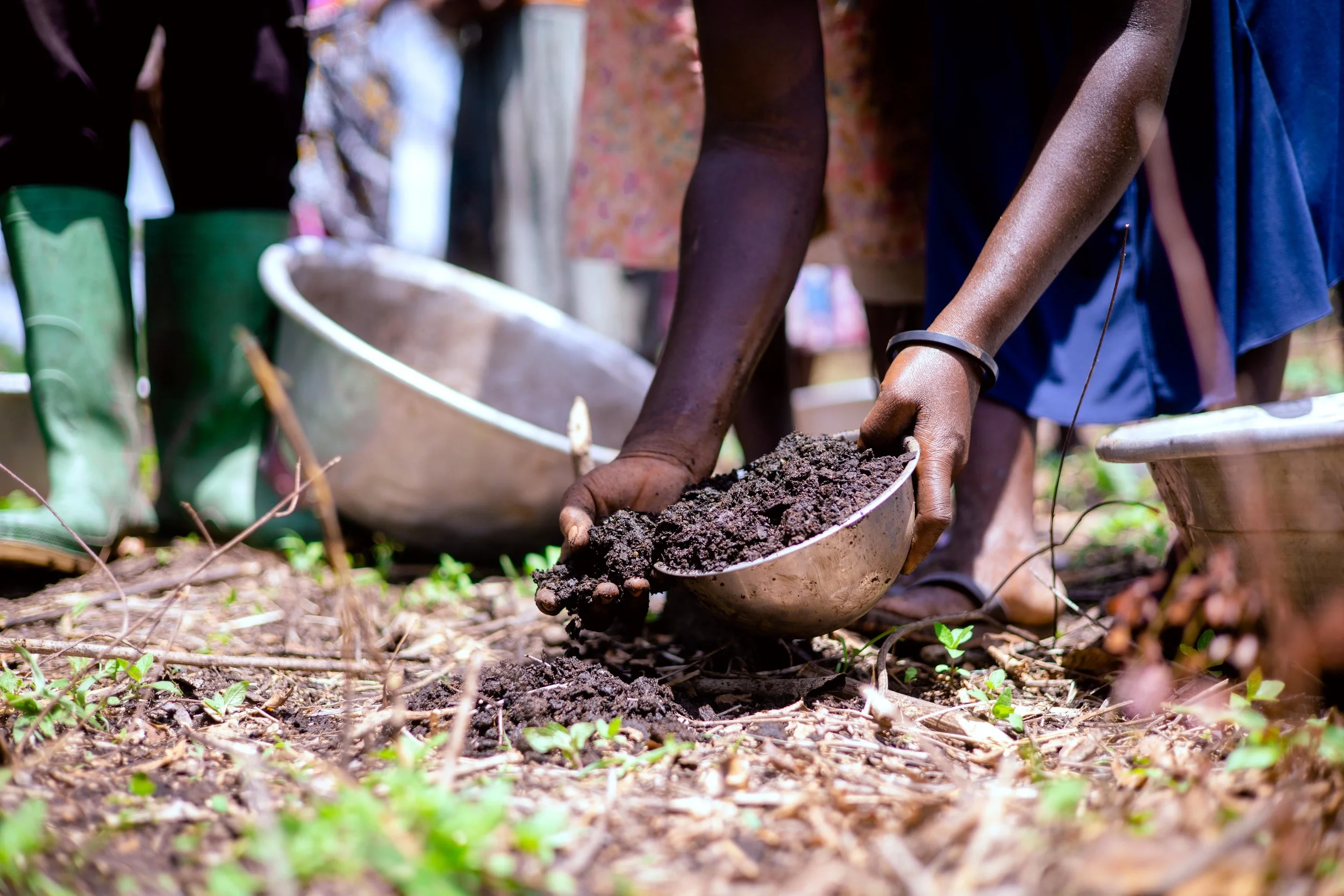
Applying the biochar and compost tea to the plots of land
Looking Ahead
We saw promising results from our initial pilot last year, and we’re hopeful that this expanded programme will further demonstrate the power of biochar to restore soil health and boost productivity. By increasing production and distribution this year, we’re laying the groundwork to scale up further and reach even more farming communities next year.
Regenerating the soil is a long‑term commitment but with the right tools, knowledge, and partnerships, it’s one we believe can deliver lasting benefits for farmers and the land they depend on.
Keep up to date with the biochar project on our socials @deki_charity
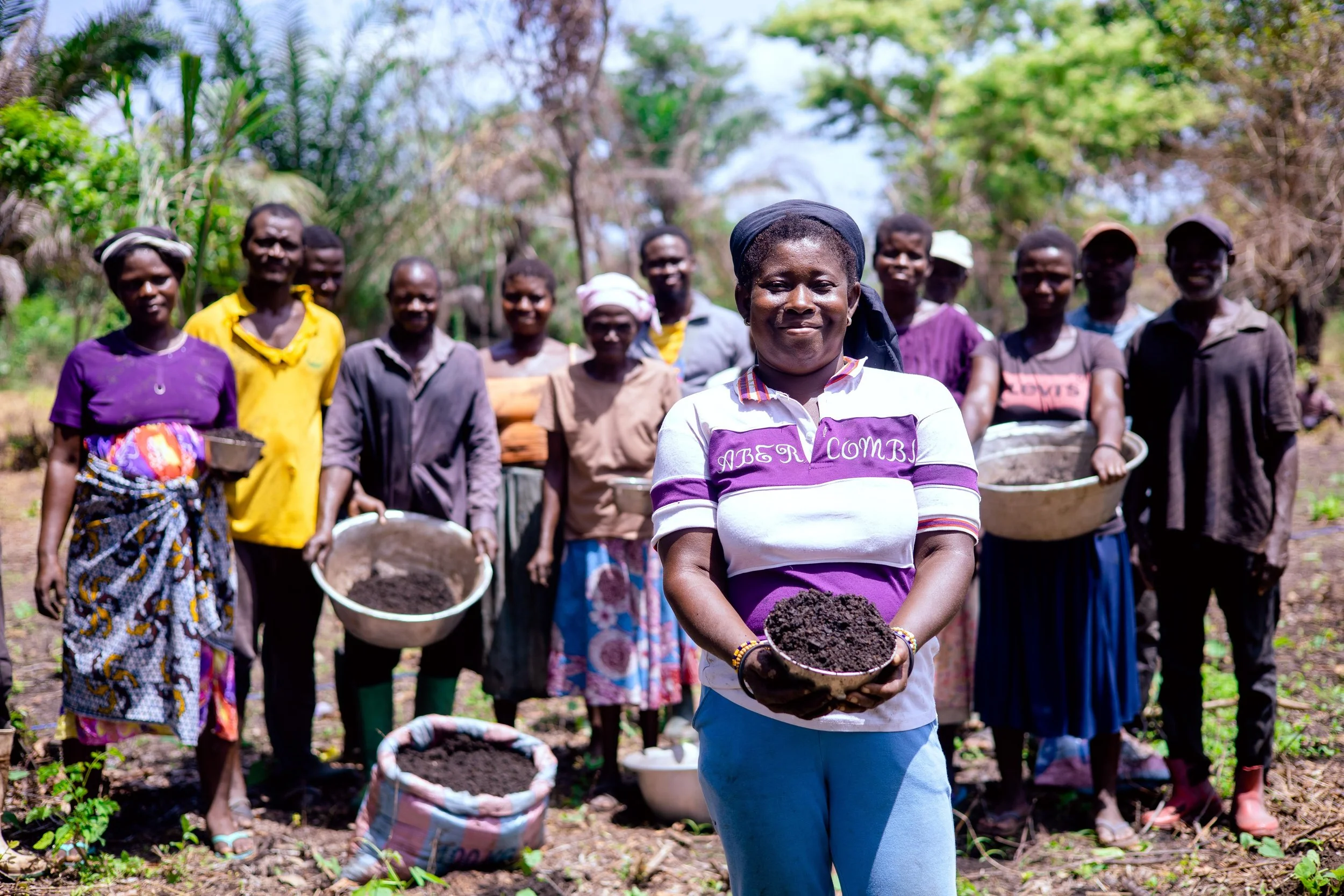
One of the cooperatives who are experimenting with replacing chemical fertilisers with biochar.