
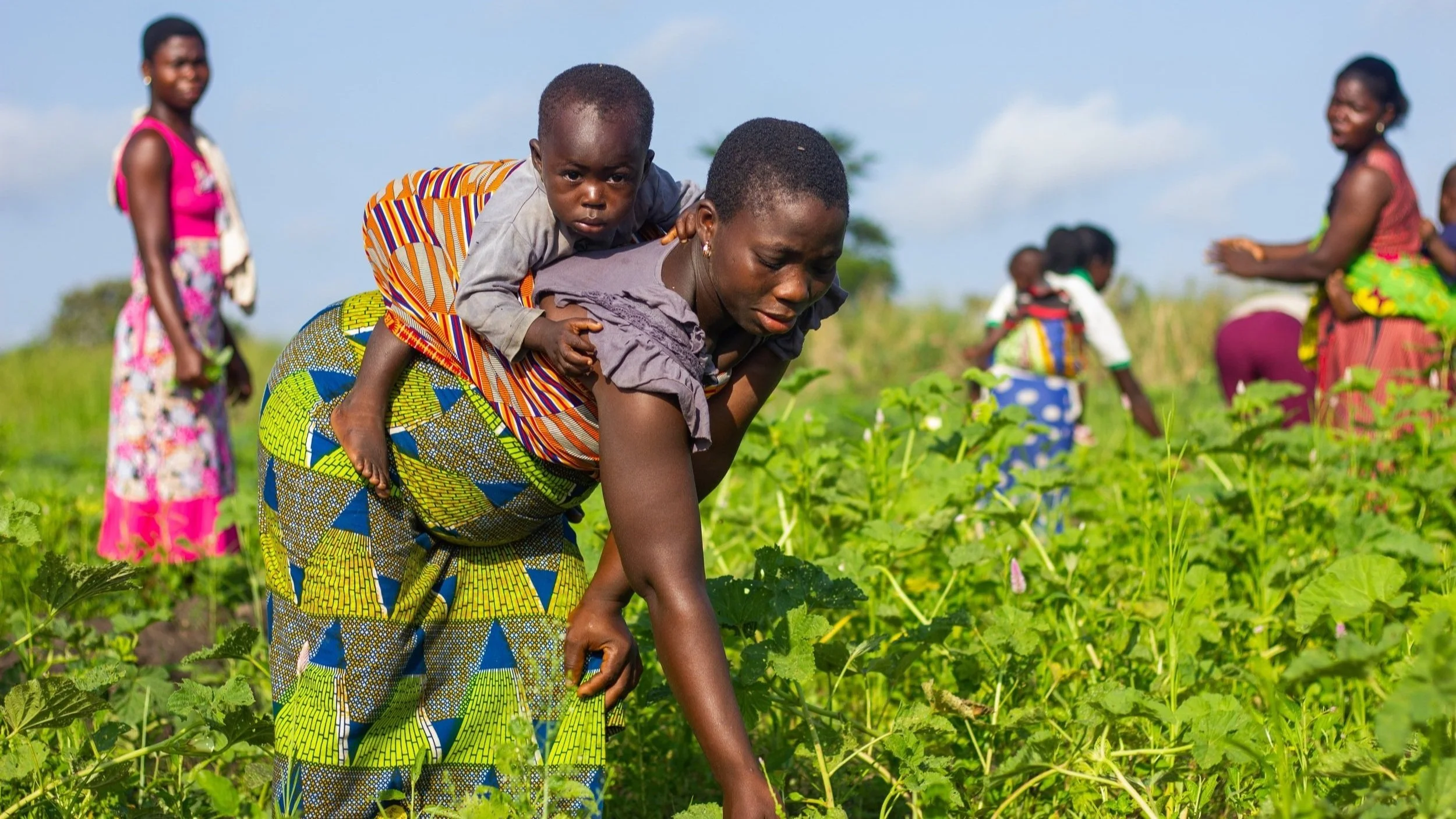
Planting the seeds of change for small scale farming communities
Farming Cooperatives
In West Africa the effects of climate change are already having a huge impact on the quality of life of subsistence farmers who are stuck in a precarious struggle to feed their families. They lack knowledge of modern sustainable farming practices and use rudimentary tools and techniques.
Trapped in a cycle of poverty, families and especially women are unable to improve their yield to make a decent income or access the financial resources to invest in their businesses.
The growing effects of climate change such as irregular rainfall, droughts, flooding and changes in temperature can cause crops to fail, leaving families in desperate situations.
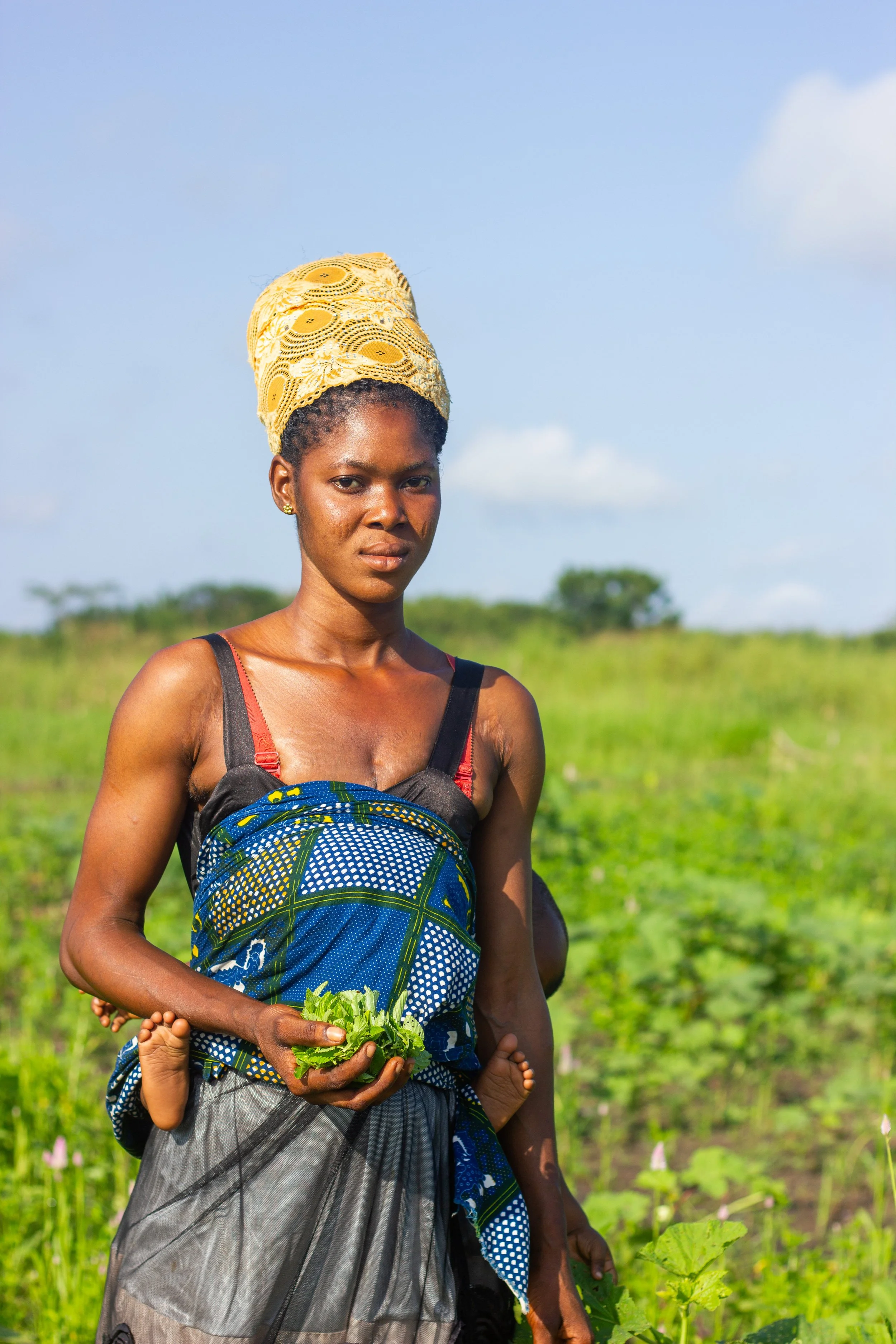
87% of farmers surveyed in 2025 reported that they felt better economically and socially integrated into their community since joining a cooperative.
Since 2020 we have been supporting small-scale farmers to work collectively and form self-led cooperatives which enable them to pool resources, learn together and access state services.
Cooperatives are a vital part of the solution to many of the challenges faced by rural communities. They offer farmers a degree of certainty in an uncertain world, playing a key role in socio-economic development, food security, and poverty reduction.
We work with local partners and the government to help combat climate change by promoting sustainable farming techniques. In 2025, we delivered over 670 workshops dedicated to educating about organic farming and regenerative practices to reduce carbon emissions, improve soil health, and increase the community's capacity to adapt to climate-related challenges.
Our Farmer Field Schools give smallholder farmers practical experience in sustainable land management, empowering them to make positive and long-term change.
We also offer microloans that allow farmers to purchase essential inputs - such as seeds, tools, and equipment - that increase income and build economic resilience within the community. Our commitment to gender equality ensures that at least 50% of leadership positions within these cooperatives are held by women, empowering them to take on active roles in shaping their communities' futures.
By the end of 2025, Deki was working with 137 active farming cooperatives, supporting 1,861 rural farmers to access microfinance and agricultural training. More than one-third of these farmers are women, helping to strengthen livelihoods and promote greater economic inclusion across rural communities.
By working collectively, farmers are not only improving their livelihoods but are also helping to build more resilient, sustainable communities for years to come.
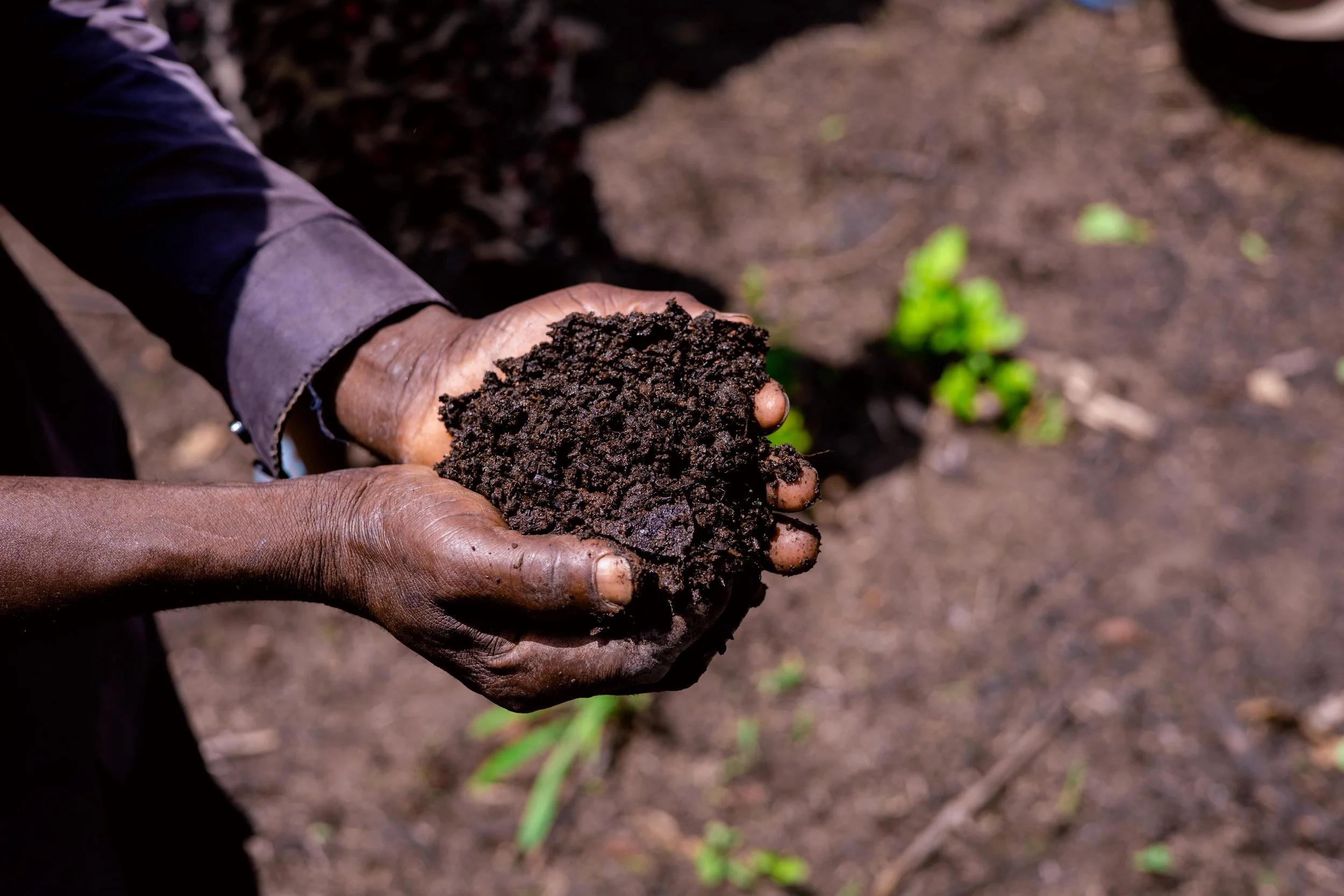
Biochar - an alternative to chemical fertilisers
Healthy soil is essential for thriving farms, yet many farmers in Togo are becoming increasingly reliant on expensive chemical fertilisers that can damage soil health over time.
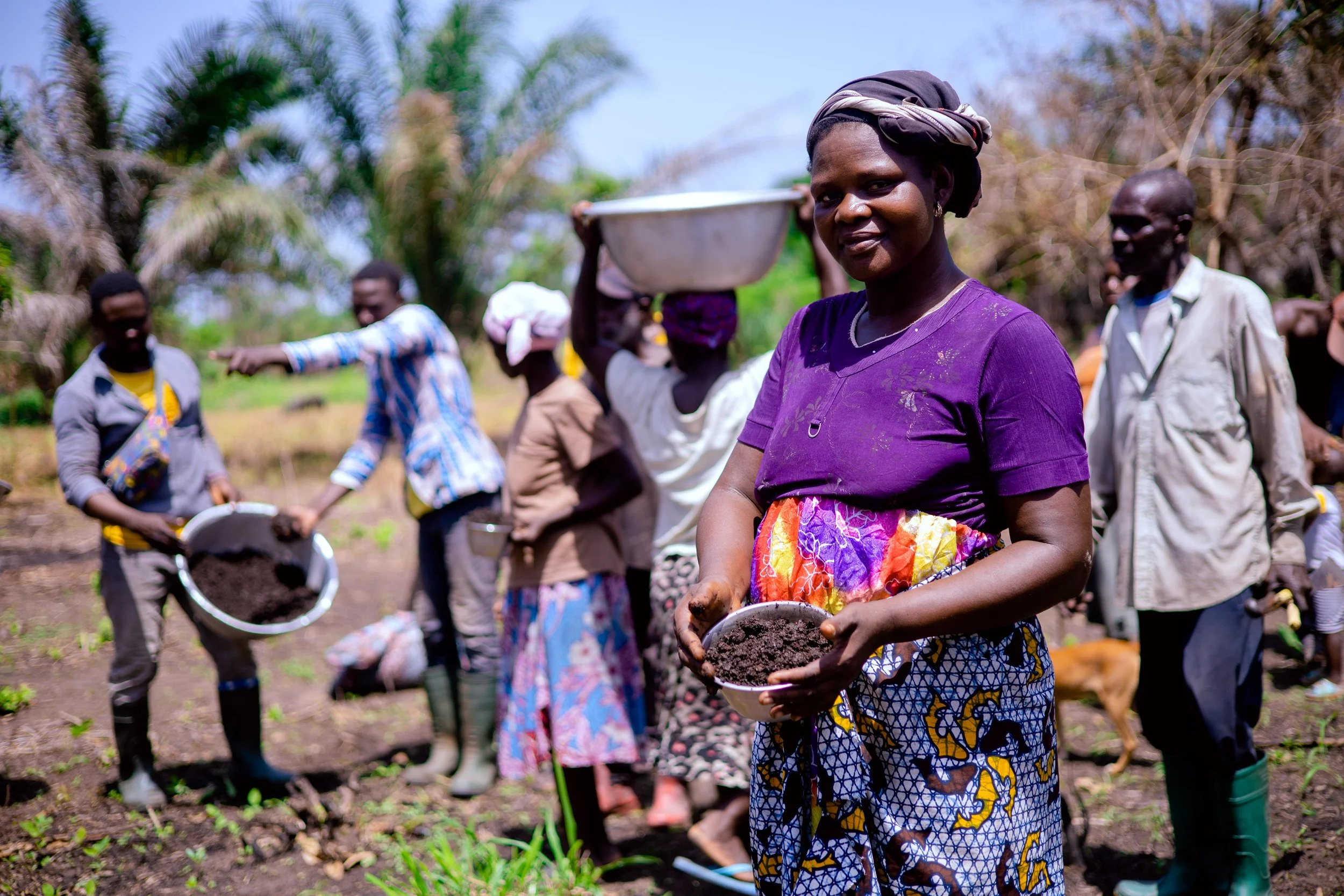
That's why Deki is supporting farmers to use biochar, a natural soil enhancer produced from agricultural waste in kilns built near our cookstove workshop in Kévé. Unlike chemical fertilisers, biochar improves soil structure, helps retain water and nutrients, boosts crop yields, and can continue benefiting the soil for hundreds of years.
This year, we're working with five farming cooperatives and around 100 smallholder farmers, providing biochar, training, and ongoing support. Early results are promising, showing how a simple, sustainable solution can help farmers restore their land, increase food production, and build a more resilient future.
Solar irrigation- For climate resilience and economic empowerment
For many farmers in northern Togo, limited rainfall means crops can only be grown during short rainy seasons. Deki and our sister organisation IADES are helping change this by piloting solar-powered irrigation systems with six farming cooperatives in the Kara region.
Using renewable energy to bring reliable water access to farms, these systems will help farmers grow more food, increase resilience to climate change, and create more sustainable livelihoods.
Three wells have already been drilled, with irrigation infrastructure underway, and 150 farmers have been trained to manage the systems and adopt improved planting and irrigation practices.


DONATE NOW
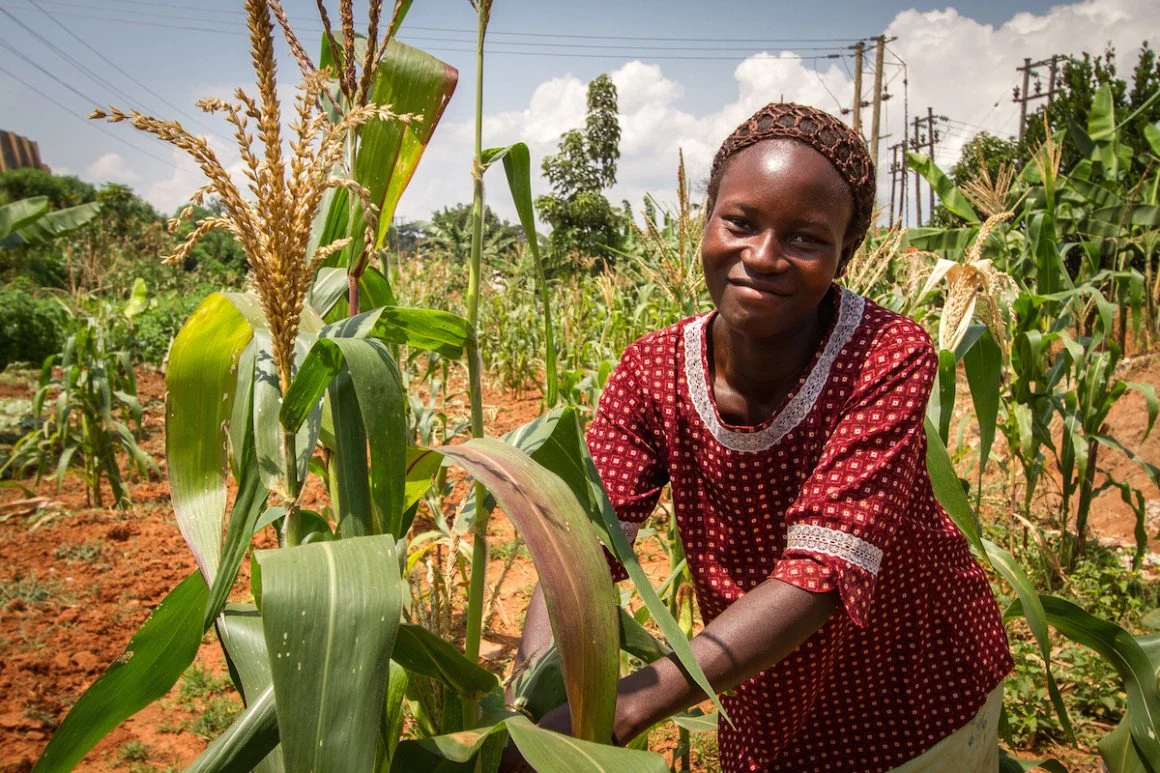
£120 enables a farmer to complete their first year of training and provides them with their first ethical microloan.

£9,000 equips a community of 75 small-scale farmers with the skills to start their own cooperative, providing 12 months of essential training and giving them access to their first livelihood development loan.
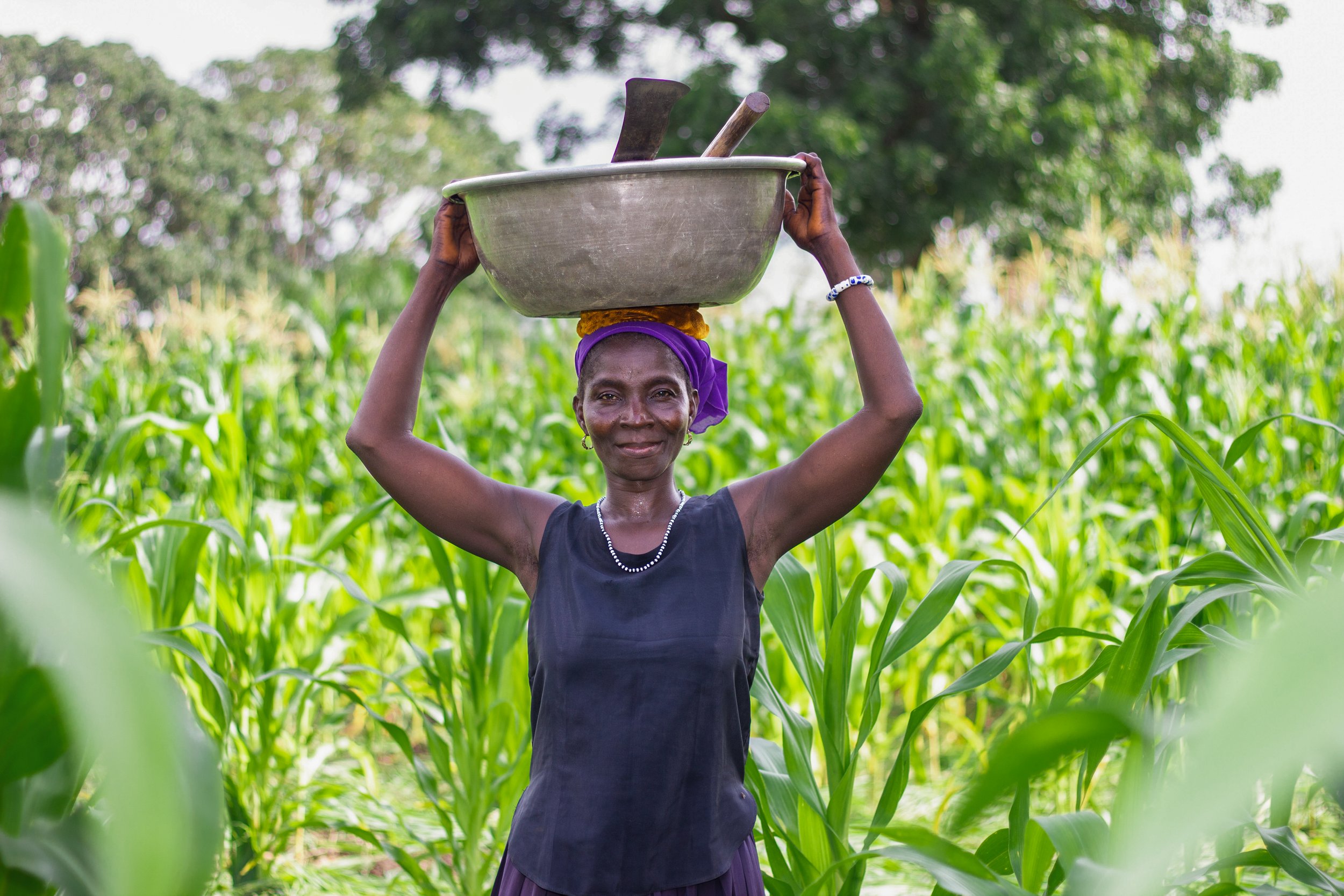
£60 gives one farmer access to their first ethical microloan.
